This post may contain affiliate links, view our disclosure policy for details.

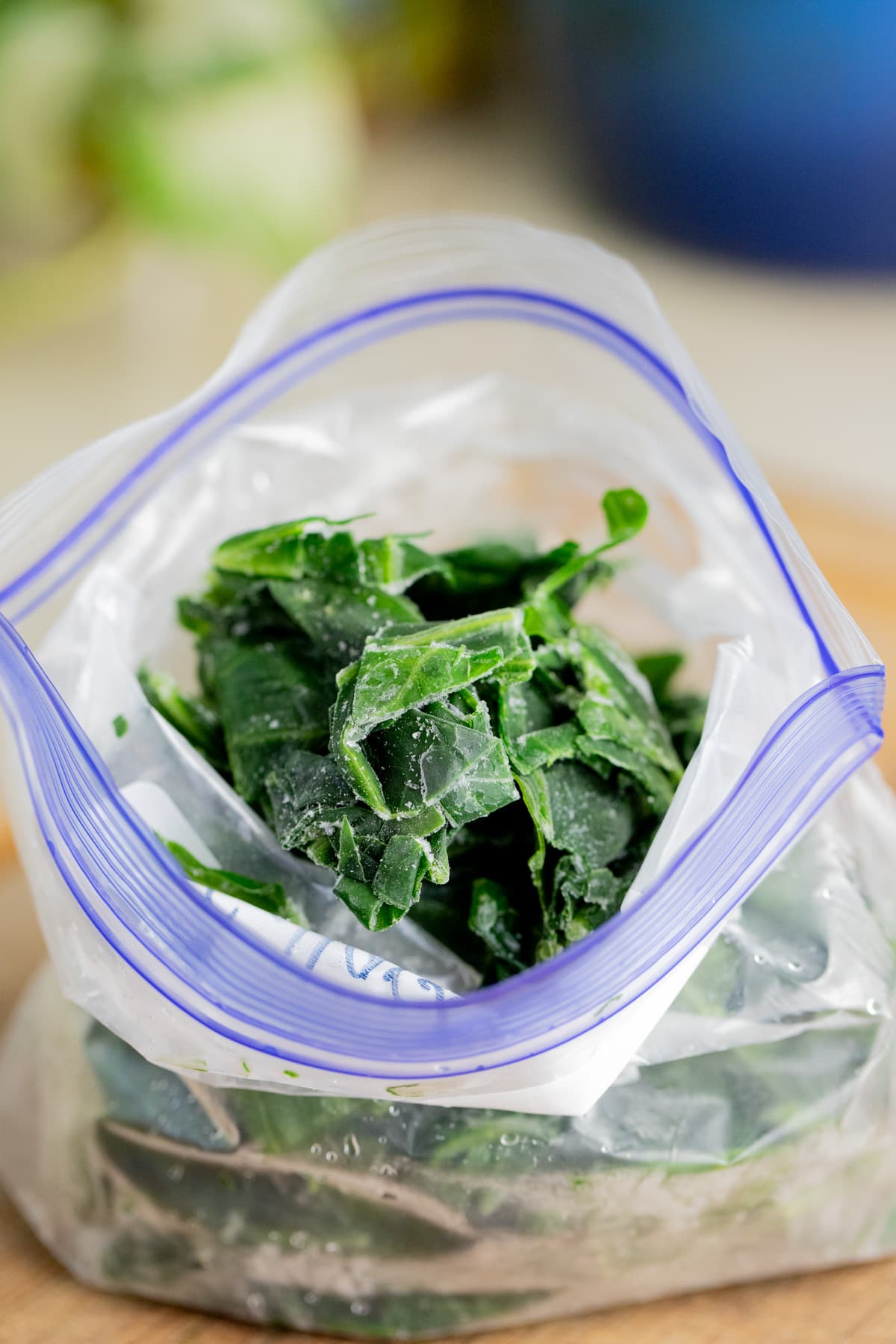
Learn how to freeze collards step by step to preserve fresh garden collards for soups, side dishes, casseroles, and easy meals from the freezer.
Lady Lee’s Note…
I fell in love with collards a couple of years ago. I was asked to grow them for my Southern community. People around here cook them with pork during the holidays. So I did. They were easy to grow and just so so beautiful! I looked at the plants and asked myself… “Who said you have to cook collards to death? Can’t I just use them in the same way that I use chard? Or spinach?”
I gave it a try and oh my! Collards are amazing sauteed with onions as a side to any meal. They are great in a morning omelet, they are amazing in smoothies, and so much more! And so, now collards are part of my garden in the fall but also in spring, and I make sure that I freeze enough for any time in between. Let me show you how.
Ingredients…
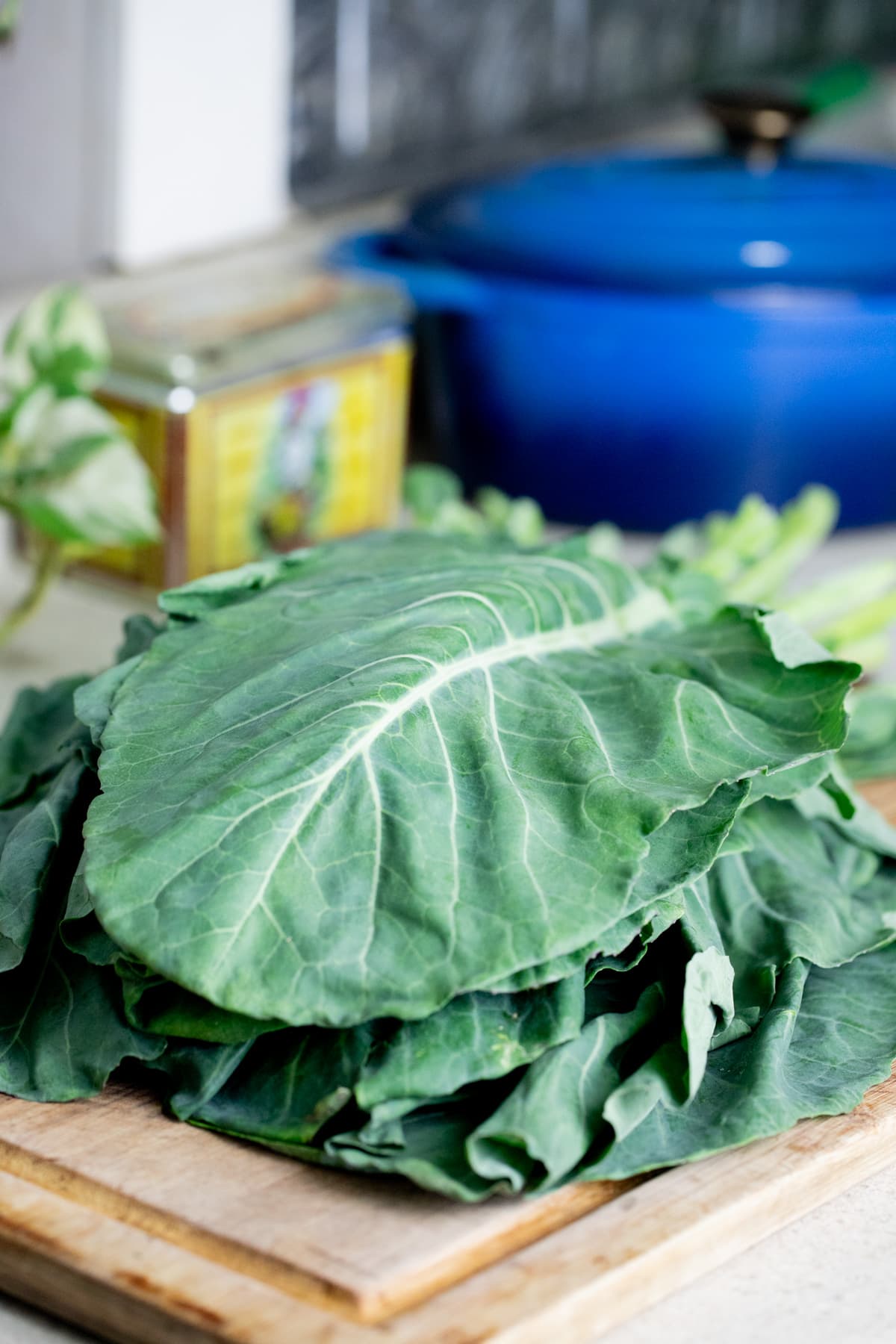
- Collards
- Water and Ice
Step-by-Step Instructions…
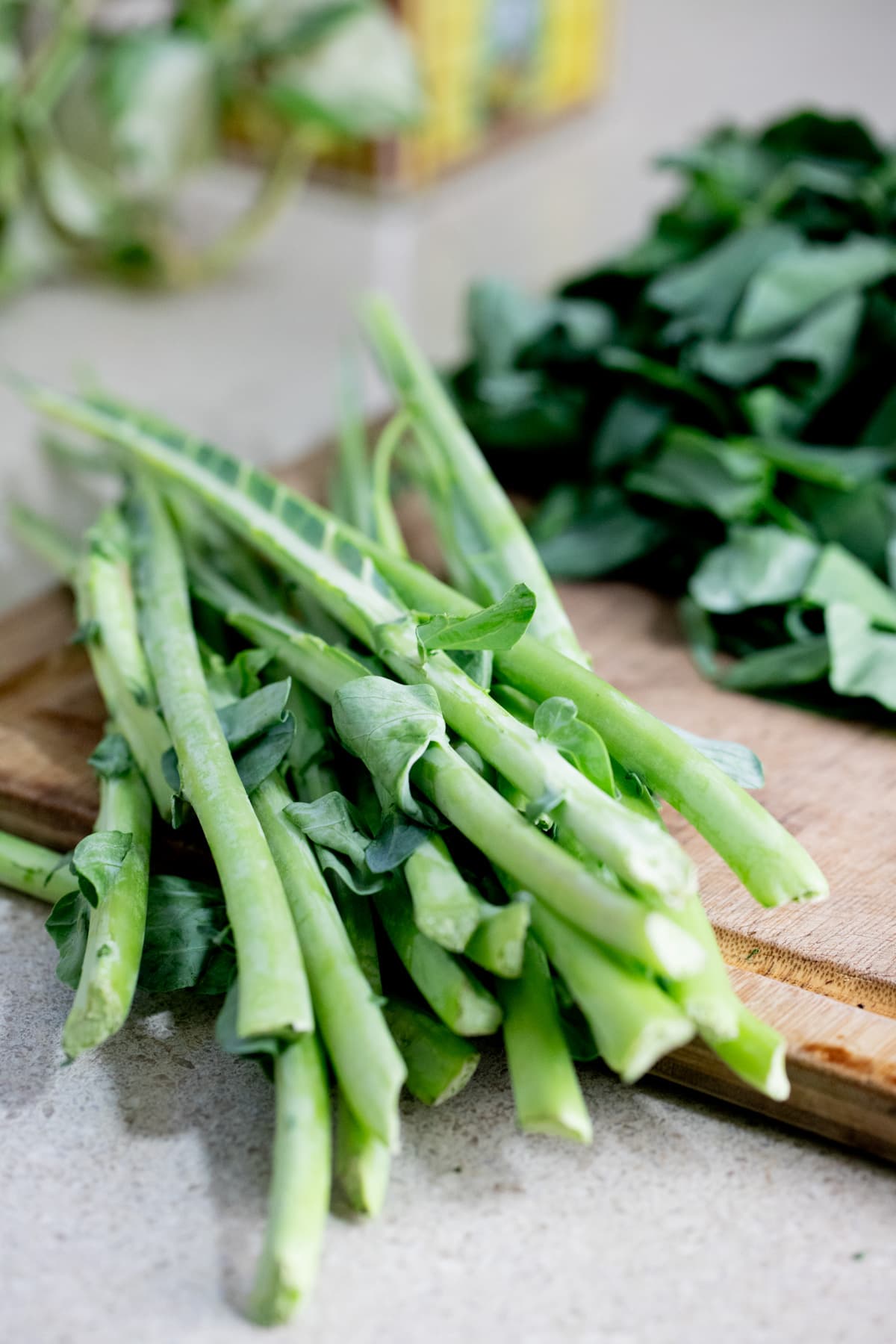
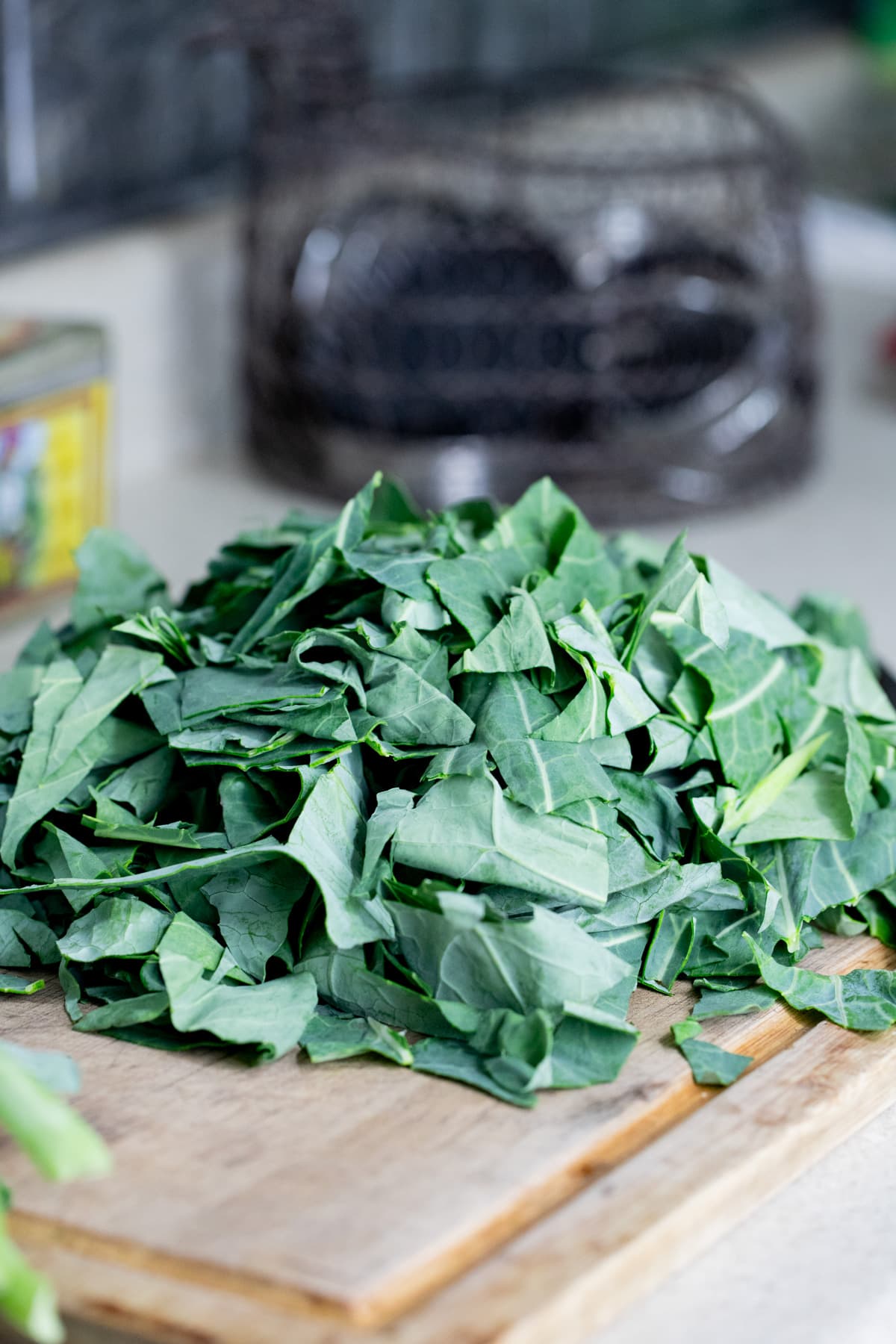
Step one – prep the collards. Cut the leaves off the stems. I haven’t tried this, but I think that you can roast the stems… It sounds good anyway. If not, just throw them in the compost or give them to the chickens. Chop the leaves into smaller pieces.
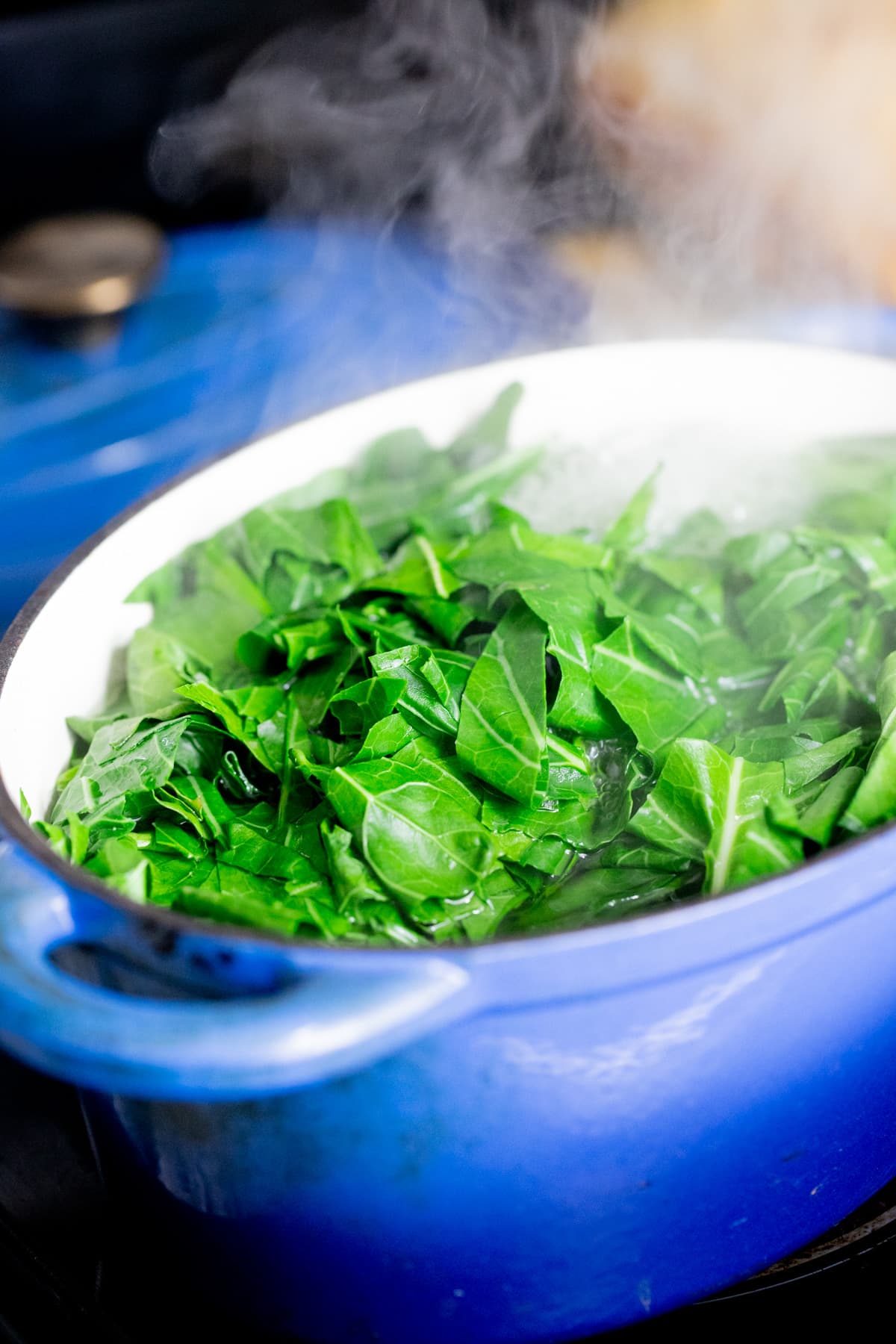
Step two – blanch. Bring a pot of water to a boil. Add the collard leaves and let them stay in the boiling water for 2-3 minutes.
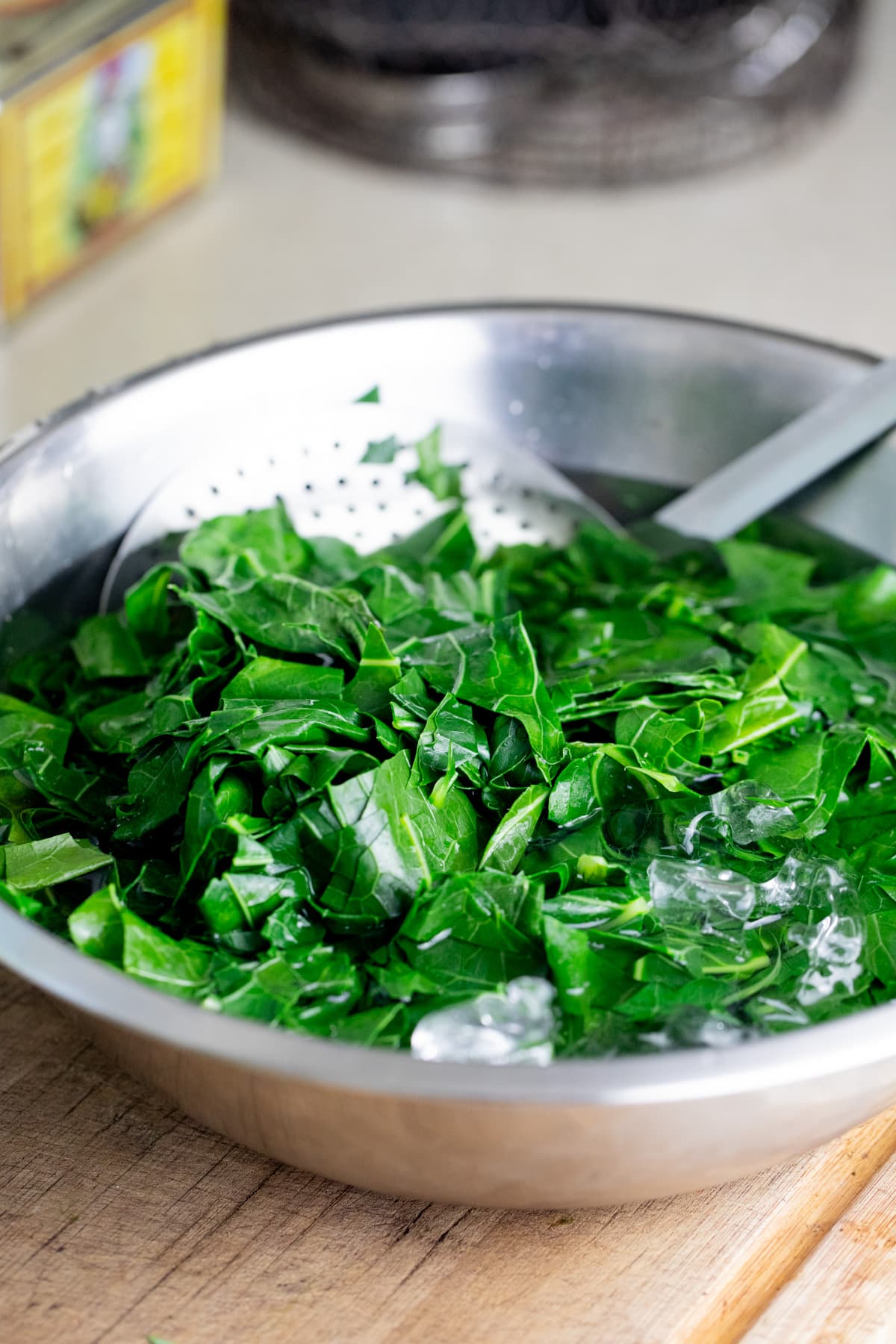
Step two – blanch. Bring a pot of water to a boil. Add the collard leaves and let them stay in the boiling water for 2-3 minutes.
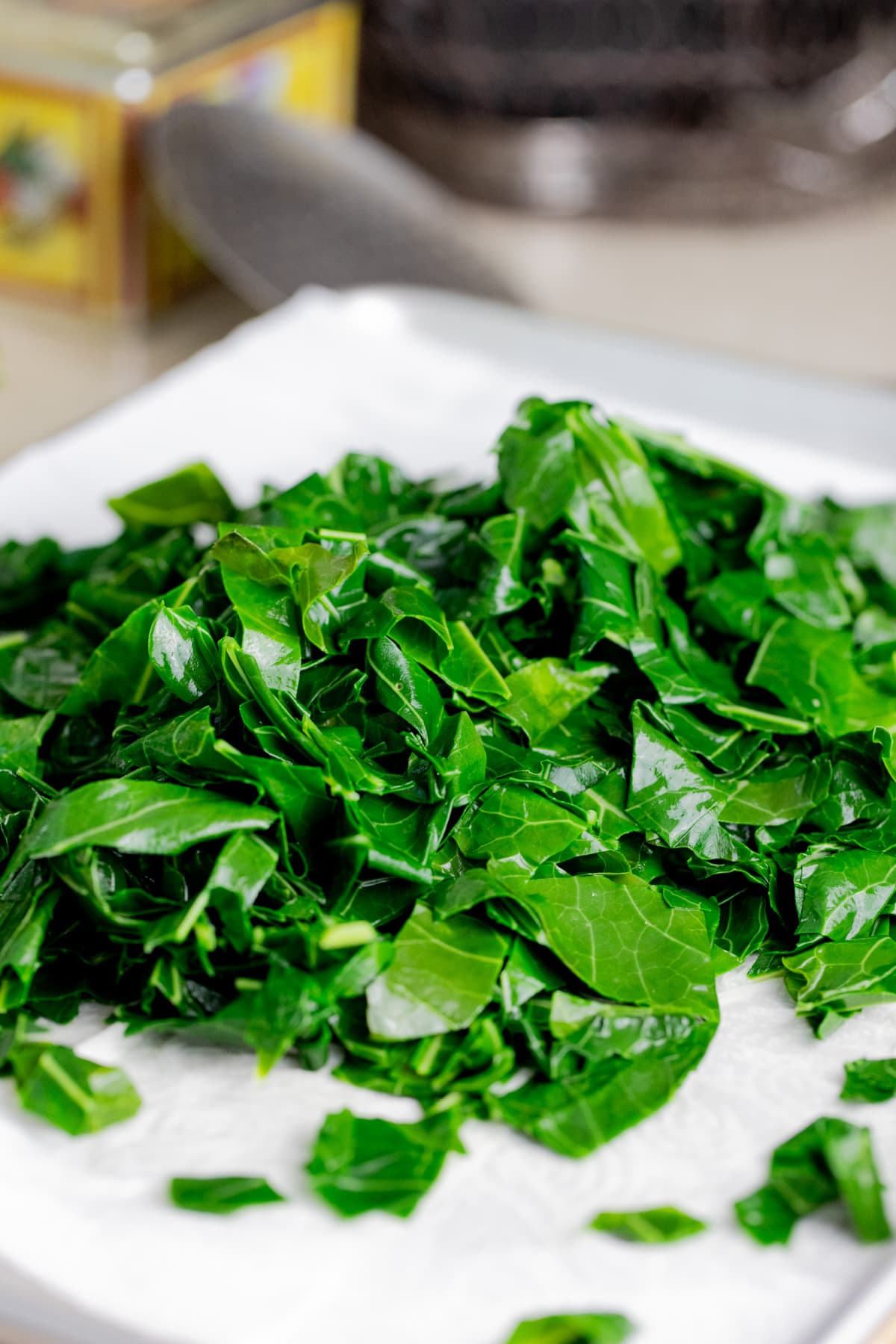
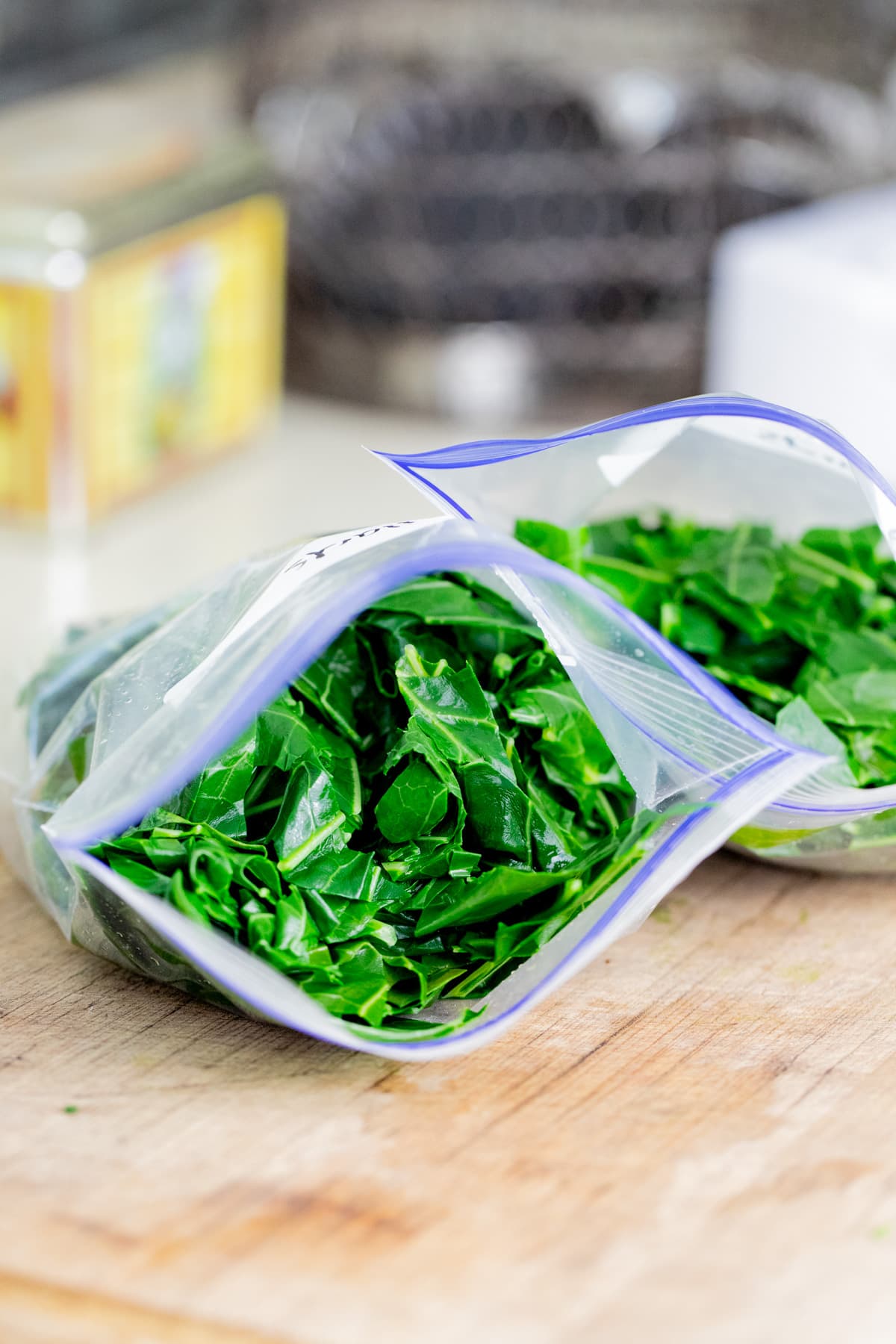
Step four – freeze. Use your hands to grab leaves out of the bowl of ice water and squeeze as much of the water as you can. Then lay them on a paper towel to dry. Drying the leaves is the hardest part! You can use a salad spinner if you have one, or even place a fan over them for a little bit and keep turning them. Before freezing, it’s best to dry them as much as possible. Then, divide into portions and add to ziplock bags or a freezer container of your choice.
Pro Tip: If you’d like to freeze collards in vacuum sealer bags (this is the sealer I use), divide the collards into portions, set on a baking sheet lined with parchment paper, cover with plastic wrap, and place the baking sheet in the freezer for a few hours. Once the collards are frozen, add them to vacuum bags, place a paper towel at the top of each bag, and seal the bag (if there is still any moisture, the paper towel will catch it so the bag can seal properly).
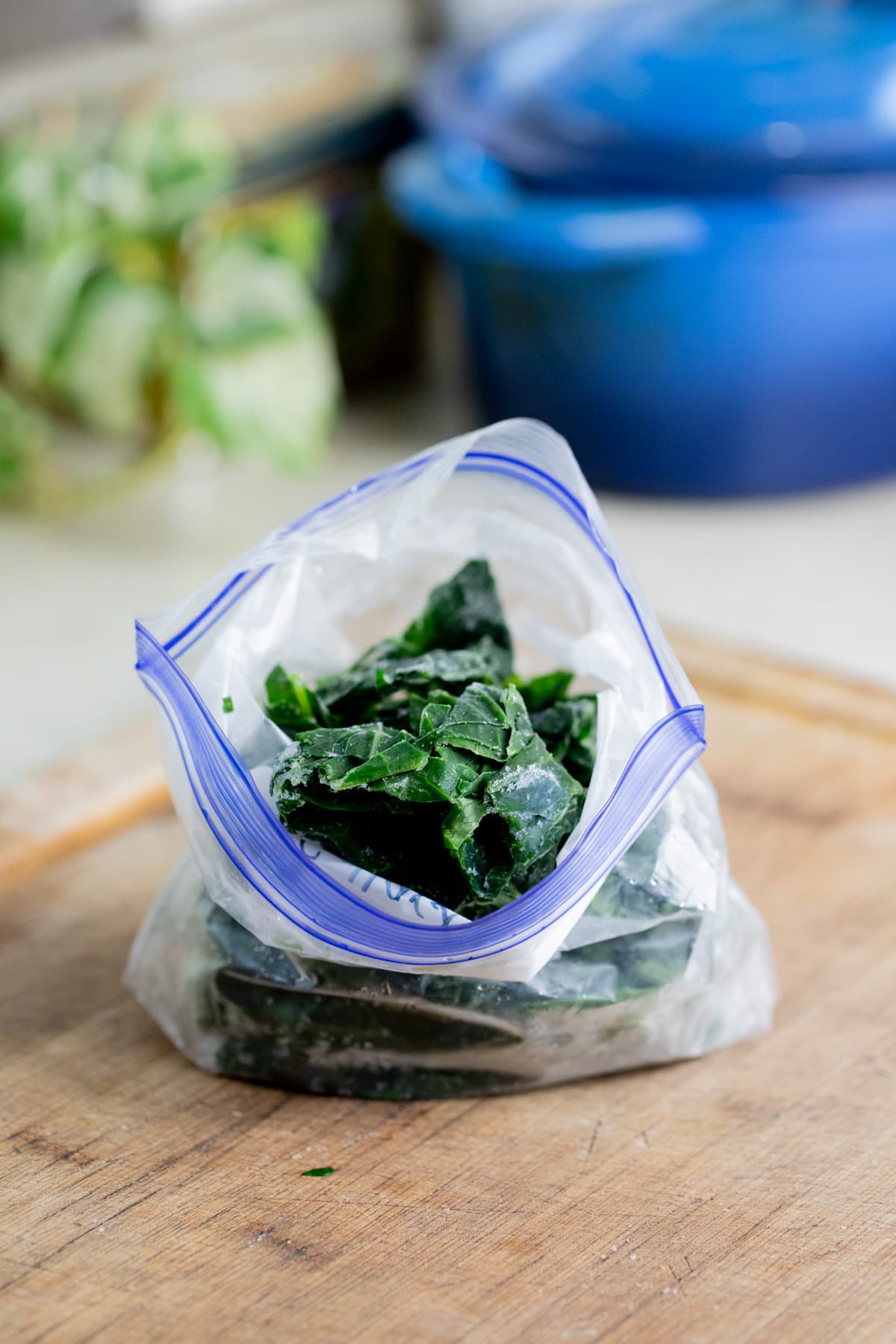
How to Use Frozen Collards…
- Add them to soups and stews – frozen collards are perfect for tossing straight into soups, stews, and bean dishes (try adding them to this delicious Israeli Bean Soup). Since they’re already chopped and softened from blanching, they cook quickly and add hearty flavor and nutrition to comforting meals.
- Make Southern-style collard greens – you can cook frozen collards just like fresh ones. Simmer them with onion, garlic, broth, and a little bacon or smoked turkey for a simple Southern-style side dish.
- Blend them into smoothies – this is my favorite way to use them! A handful of frozen collards can be blended into fruit smoothies for an easy nutrition boost. Their mild flavor pairs especially well with banana, pineapple, mango, and berries.
- Stir them into pasta or rice dishes – frozen collards work well in quick skillet meals. Add them to pasta, fried rice, grain bowls, or casseroles (try this Mediterranean Zucchini Casserole) for extra greens without much prep work.
- Use them in egg dishes – mix thawed collards into scrambled eggs, omelets, breakfast casseroles, or quiche. They add color, flavor, and nutrients while helping you use up what you preserved in the freezer.
How Long Will Collards Last in the Freezer?
Blanched collards can last in the freezer for about a year. They’ll probably be just fine even longer than that; however, it’s recommended to try to use frozen vegetables within a year.
Do You Need to Blanch Collards Before Freezing?
Blanching is important for almost all vegetables before freezing. It stops enzyme actions which can cause loss of flavor, color and texture. Blanching cleanses the surface of dirt and organisms, brightens the color, and helps prevent the loss of vitamins. It also wilts or softens vegetables and makes them easier to pack.
Blanching is not required but highly recommended. The quality of your food will not be great after a few months in the freezer if you don’t take the time to blanch. I’d say, if you know that you will use your collards within three months, you don’t have to blanch them. If you are going to store them in the freezer for longer than that, then I think blanching is worth your time.
Can I Freeze Cooked Collards?
Absolutely. Cook them however you want, with meat, other veggies (like onions, garlic, carrots…), and season. Let the dish cool, transfer to a freezer-safe container, label, and freeze for up to a year. To heat the dish before serving, add it to a pot and add a bit of broth or even just water. Let it thaw and warm up slowly, correct the seasoning, and serve.
I hope that this tutorial was helpful! Freezing collards is an easy way to preserve these delicious leaves, and having them frozen and ready for use in the freezer is very convenient!
More Freezing Tutorials…
- How to Freeze Cauliflower
- How to Freeze Broccoli
- How to Freeze Pears
- Freezing Garlic Scapes
- How to Freeze Apples
- How to Freeze Tomatoes

How to Freeze Collards
Learn how to freeze collard greens for long-term storage and later use.
Ingredients
- One bunch fresh collard greens
- Water
- Ice
Instructions
- Wash the collards well under cold running water to remove dirt and grit.
- Remove the tough stems and chop the leaves into strips or bite-sized pieces.
- Bring a large pot of water to a rolling boil.
- Add the collards to the boiling water and blanch for 3 minutes.
- Use a slotted spoon to transfer the collards immediately to an ice water bath to stop the cooking process.
- Once cooled, drain the collards well and pat them dry with a kitchen towel.
- Pack the collards into freezer bags or freezer-safe containers. Remove as much air as possible.
- Label and freeze for up to 12 months for best quality.